
With over 32 states, 11,000 kilometers of coastline and a variety from Yucatan's Caribbean beaches to the volcanoes of the highlands to the desert of Baja California, Mexico is one of the most-traveled countries in North and Central America. The good news for travelers: an eSIM works here without any bureaucracy — no IMEI registration like in Turkey, no passport presentation at the airport, no activation queues. You land in Cancun, CDMX or Puerto Vallarta, activate the eSIM on the plane and you're online before the baggage carousel even starts.
Telcel, AT&T Mexico, Movistar — the mobile landscape
Mexico has three national mobile carriers — but only two physical networks. Since the 2019 RAN-sharing agreement, Movistar uses the AT&T network; its own radio network was decommissioned. Alongside there are relevant MVNOs like Bait (Walmart brand on the Telcel network), Weex and Virgin Mobile, jointly around 5 % market share.
| Network | Market share | Strength | 5G coverage |
|---|---|---|---|
| Telcel (America Movil) | approx. 60 % | Market leader, best rural coverage — the only choice for Sierra Madre, Copper Canyon, remote Pacific bays | 100+ cities: CDMX, GDL, MTY, Cancun, Merida, Tijuana, Puerto Vallarta |
| AT&T Mexico | approx. 22 % | Solid in cities and along main traffic axes, popular roaming partner for travel eSIMs | CDMX, GDL, MTY, Cancun, Merida, Los Cabos, Puerto Vallarta |
| Movistar (Telefonica) | approx. 12 % | Uses AT&T network since 2019, no own radio network anymore — effectively identical to AT&T | Via AT&T sharing |
Telcel — the top dog
Telcel belongs to Carlos Slim's America Movil group and, with around 60 % market share, is by far the largest provider in Mexico. Its strength: rural coverage in almost every pueblo over 500 inhabitants, continuously along all autopistas and even in remote Sierra Madre valleys or in Copper Canyon. If you plan a road trip through states like Oaxaca, Chiapas or Sinaloa, you should prefer a Telcel-based eSIM — international travel eSIMs like Airalo, Holafly and Saily mostly use Telcel or AT&T as their roaming partner in Mexico.
AT&T Mexico — the city pick
AT&T Mexico is the second-largest provider with around 22 % market share and is strong in cities and along main traffic axes. 5G coverage in CDMX, Guadalajara, Monterrey, Cancun and all major tourist centers. Many international travel eSIMs use AT&T as their preferred roaming partner — which is more than enough in tourist corridors. In the rural hinterland you're better off with Telcel.
Movistar — the third player
Movistar (Telefonica) is the third-largest provider with around 12 % market share — but since the 2019 RAN-sharing agreement, it no longer has its own radio network and uses the AT&T network. That means: if you land on Movistar in Mexico, you're technically on the AT&T network — performance, coverage and 5G are identical to AT&T. Relevant for travelers: some Spanish or Latin American travel eSIMs show "Movistar MX", but functionally that's the same as AT&T.
Current plans for Mexico
From our live provider database — sorted by price per gigabyte:
| Provider | Data | Validity | Price | €/GB | 5G | |
|---|---|---|---|---|---|---|
Best €/GB | 100 GB | 30 days | 33,99 € | 0,34 € | — | Visit deal → |
 | 300 GB | 30 days | 121,50 € | 0,41 €+19 % | ✓ | Visit deal → |
| 250 GB | 25 days | 101,36 € | 0,41 €+19 % | ✓ | Visit deal → |
| 200 GB | 20 days | 81,19 € | 0,41 €+19 % | ✓ | Visit deal → |
| 150 GB | 15 days | 61,05 € | 0,41 €+20 % | ✓ | Visit deal → |
| 140 GB | 14 days | 57,00 € | 0,41 €+20 % | ✓ | Visit deal → |
| 130 GB | 13 days | 53,00 € | 0,41 €+20 % | ✓ | Visit deal → |
| 120 GB | 12 days | 48,98 € | 0,41 €+20 % | ✓ | Visit deal → |
| 110 GB | 11 days | 44,93 € | 0,41 €+20 % | ✓ | Visit deal → |
| 100 GB | 10 days | 40,89 € | 0,41 €+20 % | ✓ | Visit deal → |
Yucatan, CDMX, Oaxaca, Baja — coverage differences
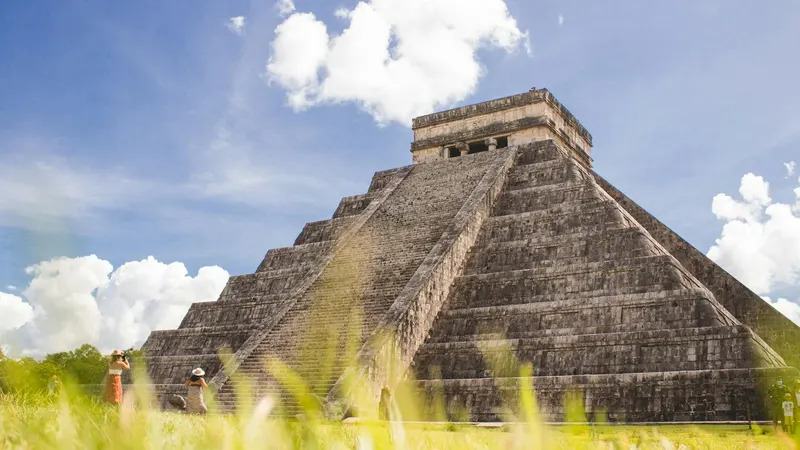
Yucatan (Cancun, Tulum, Playa del Carmen, Merida, Chichen Itza): Seamless 4G coverage, with continuous 5G in tourist hotspots and Merida Centro. Streaming, video calls and fast uploads work everywhere. Cenotes: Telcel signal at the entrances, naturally not inside the caves. Load offline maps for cenote tours.
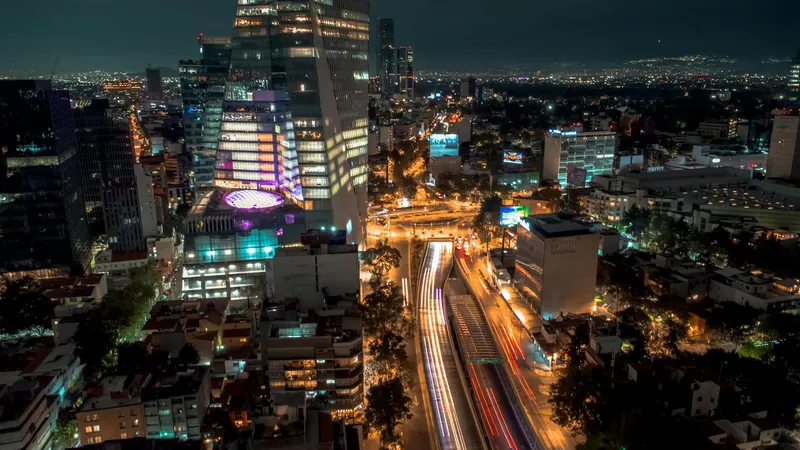
Mexico City (Roma, Condesa, Coyoacan, Polanco): Best coverage in the country, 5G available in all neighborhoods listed. Given the sheer size of the city (40+ km between districts), Maps and Uber/DiDi are essential — and they work area-wide in CDMX.
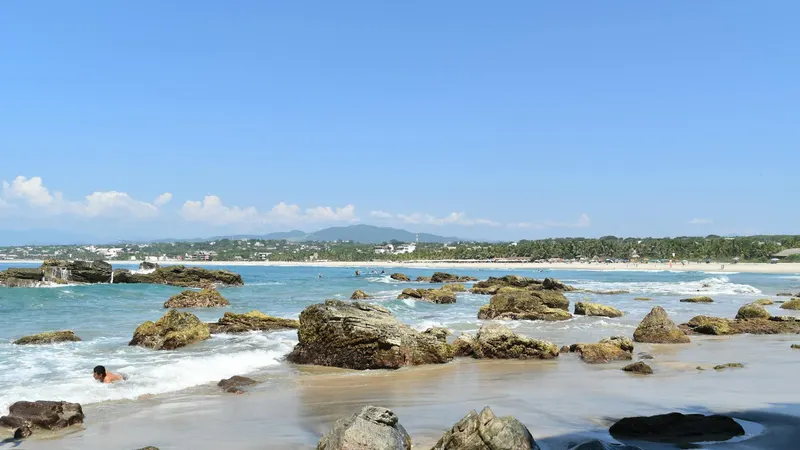
Oaxaca City + Pacific coast (Puerto Escondido, Mazunte, Zicatela): In Oaxaca City 4G throughout, partly 5G. On the Pacific coast Puerto Escondido and Mazunte have Telcel 4G in town centers, varying away from the beaches. AT&T weaker. Route Oaxaca City -> Puerto Escondido (winding mountain road): regular dead zones, offline maps mandatory.
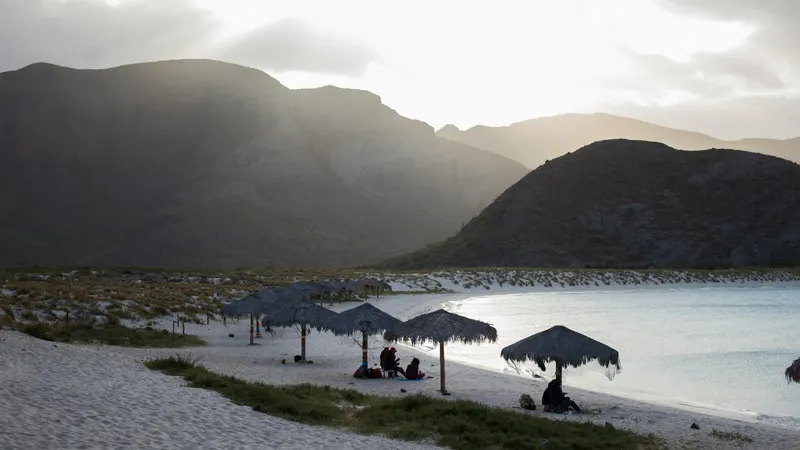
Baja California Sur (La Paz, Cabo San Lucas, Todos Santos): Cities well covered, Highway 1 between La Paz and Cabo patchy. Desert stretches between Loreto and La Paz partly without signal except Telcel. In Sierra de la Laguna National Park and on remote beaches no signal.

Chiapas (San Cristobal de las Casas, Palenque): City coverage in San Cristobal solid, the Palenque ruins area only Telcel and not everywhere. The San Cristobal -> Palenque route (mountain road through Selva Lacandona) has regular dead zones. Trip to Misol-Ha and Agua Azul: Telcel signal usually at the waterfalls.
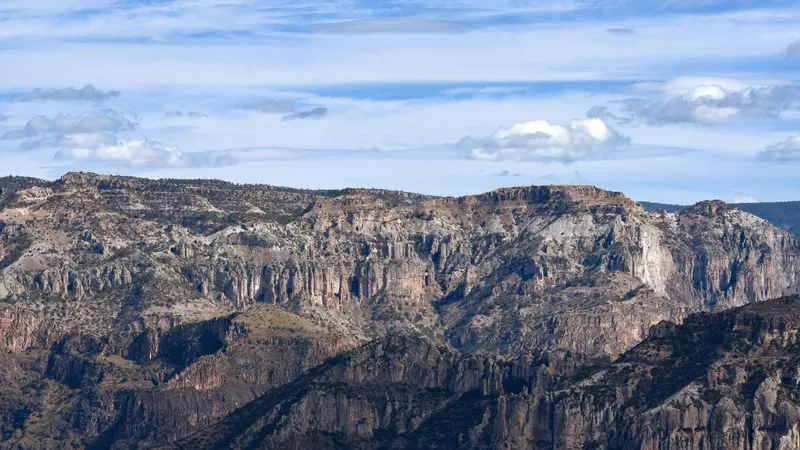
Copper Canyon (Barrancas del Cobre) / Sierra Madre: Very patchy. Creel and Divisadero (Telcel) yes, the famous El Chepe railway largely offline. If you hike on the Tarahumara trails, plan for a digital detox.

Cozumel: 4G in San Miguel and along the west coast solid; east coast and nature park limited. Important: Uber/DiDi are not allowed on Cozumel — only local taxis with fixed prices.

Holbox: Telcel 4G available in the village center, but slow due to capacity limits in high season. AT&T weak. Drops off quickly outside the village (Punta Mosquito, Punta Coco). For bird-watching tours to the mangroves, clarify offline maps and meeting points in advance.
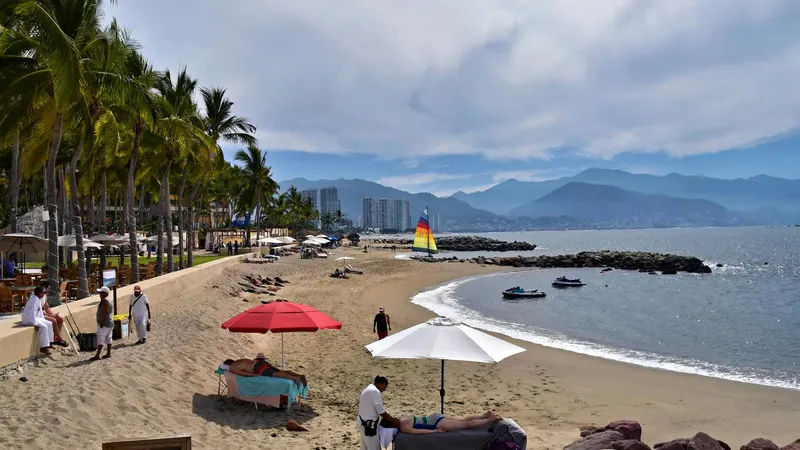
Puerto Vallarta / Riviera Nayarit (Sayulita, San Pancho): Hotel zones and Centro 4G/5G strong, the bus route along the coast patchy. Sayulita backpacker hotspot has continuous 4G; San Pancho weaker.
Which plan for which Mexico trip?
| Trip type | Recommendation | Price range |
|---|---|---|
| Cancun / Tulum weekend | Simbye 3 GB / 7 days | approx. 6 EUR |
| 2-week Yucatan round trip | Simbye or Airalo 5 GB / 15 days | 7-9 EUR |
| 3-week backpacker (Yucatan + Oaxaca + CDMX) | Airalo 20 GB / 30 days | 22-27 EUR |
| Multi-country (Mexico + USA + Belize) | Airalo Discover Plus or Saily Americas | from 30 EUR |
| Heavy user / streamer / digital nomad | Holafly Unlimited 30 days | approx. 60 EUR |
| Family with hotspot for the iPad | Simbye 20 GB / 30 days | approx. 28 EUR |
Frequently asked questions about eSIMs in Mexico
Which Mexican network is best?
Telcel (America Movil) is the clear number 1 with around 60 % market share and the largest geographic coverage in Mexico — especially in rural areas, the Sierra Madre, Copper Canyon and remote Pacific coast stretches it's often the only choice. AT&T Mexico (~22 %) is very good in cities and along the main traffic axes. Movistar has been using AT&T's network since 2019 (network sharing); its own network was decommissioned. So in effect, only two physical networks exist. Travel eSIMs mostly use AT&T or Telcel as their roaming partner.
Does a travel eSIM work in Yucatan and on islands like Cozumel and Holbox?
In Yucatan (Cancun, Tulum, Playa del Carmen, Merida, Chichen Itza) coverage is consistently very good — both Telcel and AT&T are strong, with 5G in tourist hotspots. Cozumel: 4G in San Miguel and along the west coast solid; east coast/national park limited. Holbox: Telcel 4G is available in the village center, but slow due to capacity limits; AT&T weak. Drops off quickly outside the village. Cenotes: Telcel signal at the entrances, naturally not inside the caves.
Do I need SIM registration or an IMEI entry in Mexico?
No. Mexico has no IMEI registry for tourists (unlike Turkey or Egypt). Travel eSIMs (Airalo, Holafly, Saily, Simbye) work immediately after activation — no passport presentation, no government registration. You can even buy local Telcel Amigo SIMs at the airport or in Oxxo stores as a tourist with a passport. There are no bureaucratic hurdles for travelers using mobile services in Mexico.
How much data do I need for 2-3 weeks in Mexico?
Realistic rule of thumb: 8-12 GB for 2 weeks, 12-20 GB for 3 weeks with normal usage (Maps, Uber/DiDi, WhatsApp, social media, occasional streaming). Heavy users with daily streaming or lots of hotspot use should plan for 20-30 GB. If you mostly just navigate and message, you can manage 2 weeks on 5-8 GB. For more accuracy: data calculator.
What does a travel eSIM for Mexico cost?
Concrete examples as of Q2 2026: 3 GB / 15 days: from 5-6 EUR (Simbye, Airalo), 5 GB / 15 days: from 8 EUR, 10 GB / 30 days: from 14 EUR, 20 GB / 30 days: from 22 EUR, Unlimited 7 days: from 27 EUR (Holafly, with fair use). Local Telcel Amigo top-ups: from 100 MXN (~5 EUR) for 1 GB / 7 days, or 200 MXN (~10 EUR) for 5 GB / 30 days — similar to a travel eSIM, but Spanish-language activation.
Do Uber and DiDi work in Mexico with a travel eSIM?
Yes, no problem. Both apps just need an internet connection, no Mexican phone number. Uber dominates nationwide — CDMX, Guadalajara, Merida, Cancun, Puerto Vallarta, Oaxaca all strong. DiDi (Chinese competitor) is a cheaper alternative with good availability in big cities. Important: Neither Uber nor DiDi is allowed on Cozumel — only local taxis there (with a negotiated fixed price). In Cancun/Playa/Tulum, Uber was contested for a long time but is legalized as of 2026.
What about 5G in Mexico?
Mexico has 5G in over 100 cities, especially CDMX, Guadalajara, Monterrey, Merida, Cancun, Queretaro, Tijuana, Puebla, Leon, Toluca, Puerto Vallarta and Los Cabos. Telcel and AT&T are the driving forces; Movistar shares the AT&T network. Important for travelers: Travel eSIMs often only get 4G/LTE even if the plan advertises 5G — that's normal and absolutely sufficient for Maps, streaming and messaging (4G in Mexico delivers 30-80 Mbps). If you specifically need 5G, check the provider's data sheet.
Do I need a safety or emergency app for Mexico?
The nationwide emergency number is 911 (since 2017). Practical tip: share your WhatsApp live location with family/friends back home, especially on night drives or in states with elevated travel warnings (Guerrero, Sinaloa, Michoacan). For the capital there's the official app Mi Policia CDMX; nationwide 911 Movil. Both work with a travel eSIM but mostly need a Spanish UI. Standard tip applies: don't carry your phone openly in dense crowds.