Japan is among the top 5 destinations for travel eSIMs — and for good reason: the mobile infrastructure is at the highest level, 5G in big cities is blanket, coverage even in mountain regions is unusually good. Unlike many other Asian countries, there's no SIM-registration requirement for tourists — you install the eSIM at home and use it from landing in Narita or Haneda.
Docomo, SoftBank, KDDI — the big three
Japan is dominated by four mobile carriers. Which network your travel eSIM uses depends on the provider — but all of them are more than enough for tourist locations.
| Network | Market share | 5G coverage | Strength |
|---|---|---|---|
| NTT Docomo | ~36% | Tokyo, Osaka, Yokohama, all major cities | Best nationwide coverage, including in mountain regions |
| SoftBank | ~28% | Very strong in Tokyo, Osaka | Most common roaming partner for travel eSIMs |
| KDDI / au | ~26% | Tokyo, Osaka, Sapporo | Best indoor coverage in high-rises and subways |
| Rakuten Mobile | ~10% | Aggressive 5G rollout, gaps in the countryside | Cheapest provider, newest player (2020) |
NTT Docomo — coverage king
Docomo, with ~40% market share, has the country's broadest coverage and is unrivaled in rural areas (Hokkaido backcountry, Japanese Alps, Okinawa islands). For travelers away from the big cities, the safest choice. Used by many travel eSIMs (Airalo, Simbye, Ubigi) as the preferred roaming partner.
SoftBank — strong in cities
SoftBank delivers excellent 5G in Tokyo, Osaka and Kyoto with peaks of up to 1 Gbps in Shibuya or Umeda. Slightly weaker in rural prefectures (Tohoku, Shikoku). Popular roaming partner for Holafly and Yesim. If you primarily visit big cities, you'll usually get the highest speeds here.
KDDI / au — indoor specialist
KDDI (the consumer brand "au") has the best indoor coverage — relevant if you make lots of calls in shopping malls, subway stations or underground railways. The Shinkansen runs stably on all three majors, with KDDI a hair ahead. Travel eSIMs from Nomad and eSIMo often use KDDI.
Rakuten Mobile — newcomer with gaps
Rakuten has been on the market since 2020 and is still building: its own 5G network in Tokyo and Osaka is complete, but in smaller cities Rakuten falls back to KDDI roaming. For travel eSIMs practically irrelevant — no international wholesaler uses Rakuten.
Current plans for Japan
From our current provider database — sorted by price per gigabyte:
| Provider | Data | Validity | Price | €/GB | 5G | |
|---|---|---|---|---|---|---|
Best €/GB | 300 GB | 3 days | 3,18 € | 0,01 € | ✓ | Visit deal → |
| 800 GB | 8 days | 8,49 € | 0,01 € | ✓ | Visit deal → |
| 700 GB | 7 days | 7,89 € | 0,01 €+6 % | ✓ | Visit deal → |
| 600 GB | 6 days | 6,95 € | 0,01 €+9 % | ✓ | Visit deal → |
| 400 GB | 4 days | 4,75 € | 0,01 €+12 % | ✓ | Visit deal → |
| 1000 GB | 10 days | 12,01 € | 0,01 €+13 % | ✓ | Visit deal → |
| 900 GB | 9 days | 10,92 € | 0,01 €+14 % | ✓ | Visit deal → |
| 3000 GB | 30 days | 36,73 € | 0,01 €+16 % | ✓ | Visit deal → |
| 2500 GB | 25 days | 31,08 € | 0,01 €+17 % | ✓ | Visit deal → |
| 500 GB | 5 days | 6,37 € | 0,01 €+20 % | ✓ | Visit deal → |
Tokyo, Kyoto, Hokkaido, Okinawa — coverage overview

Tokyo & region (Yokohama, Kawasaki, Saitama): Seamless 5G coverage from all four networks. In every Shibuya/Shinjuku/Asakusa spot streaming runs smoothly. JR Yamanote Line and Tokyo Metro are continuously fitted with mobile repeaters.
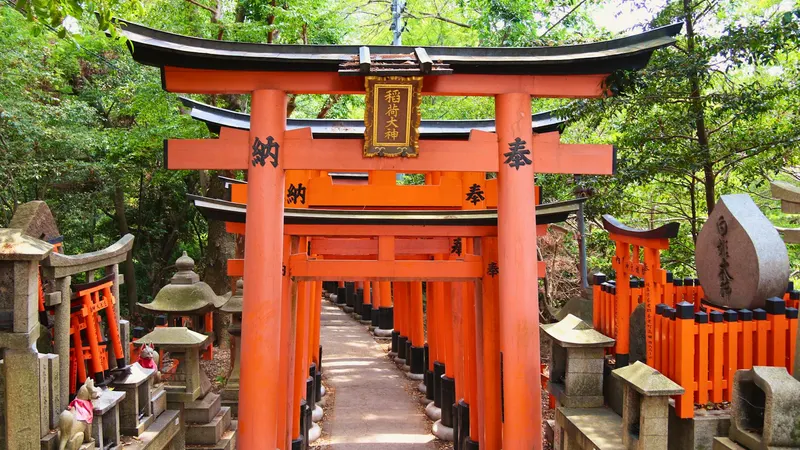
Kyoto / Nara / Osaka: Excellent coverage in city centers and temple districts. Even in the narrow lanes of Higashiyama or Gion, continuous 4G/5G. Arashiyama Bamboo Grove well covered.
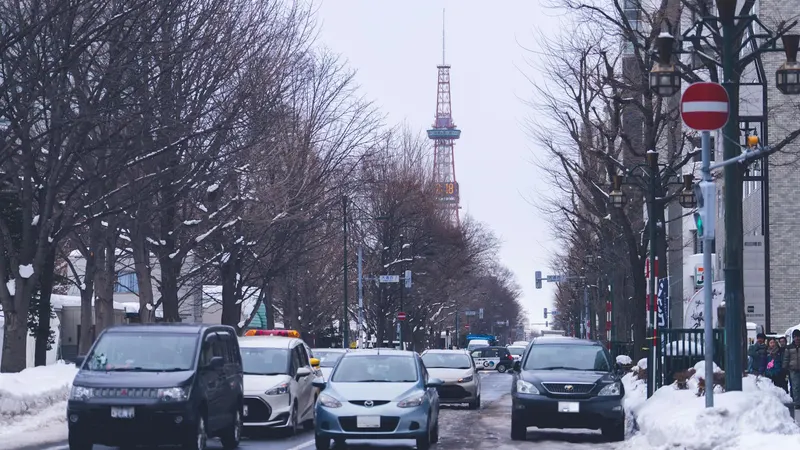
Hokkaido (Sapporo, Furano, Niseko): Sapporo top notch, ski resorts in winter blanket-covered (mobile reception even on the slopes), remote hiking areas (e. g. Daisetsuzan National Park) with gaps.
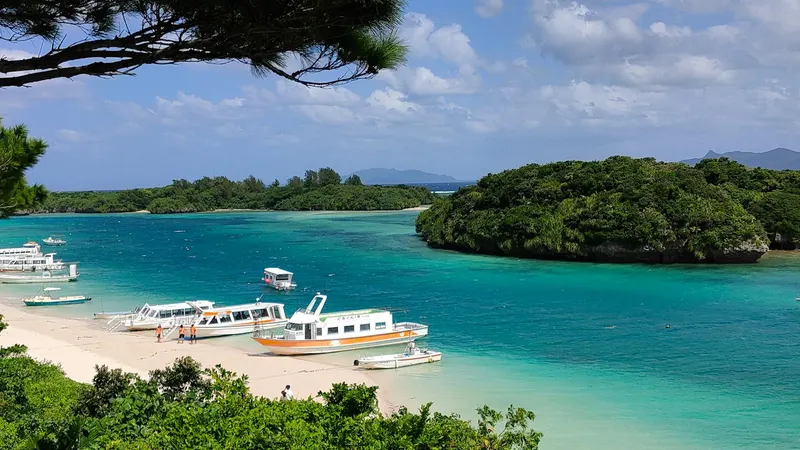
Okinawa & the southern islands: Naha very good, beaches on the main island OK. The smaller Yaeyama Islands (Ishigaki, Iriomote) have reception in tourist zones, often not in mangrove forests and snorkel spots.

Mountain regions (Mount Fuji, Japanese Alps): On the trails to the Fuji summit, coverage is surprisingly good (tourist hub). In the Kamikochi valley and on trekking routes through the Alps, expect dropouts — local cards have nothing there either.
Which plan for which Japan trip?
| Trip type | Recommendation | Price range |
|---|---|---|
| Weekend in Tokyo | Simbye 3 GB / 7 days | around €7 |
| 2 weeks standard trip (Tokyo → Kyoto → Osaka) | Simbye or Airalo 5 GB / 15 days | €9.50–12 |
| 3 weeks complete tour with Hokkaido / Okinawa | Airalo 10 GB / 30 days | €16–20 |
| Heavy user / daily streaming | Holafly Unlimited 15 days (Japan: often without throttling) | around €47 |
| Family with hotspot for the iPad | Simbye 20 GB / 30 days | around €30 |
| Multiple Asian countries (Japan + Korea + Taiwan) | Airalo Asialink 10 GB / 30 days | around €29 |
Common questions about eSIMs in Japan
Which Japanese network is best?
Japan has three dominant networks: NTT Docomo (market leader, best rural coverage), SoftBank (strong in big cities, popular as a roaming partner for travel eSIMs), KDDI/au (good indoor coverage, dense 5G in Tokyo/Osaka). For tourists, all three are on par at standard destinations (Tokyo, Kyoto, Osaka, Hiroshima). Rakuten Mobile (newcomer 2020) still has gaps but is cheap and 5G-strong.
Do I need a 5G-capable phone for Japan?
Not strictly, but nice to have. Tokyo, Osaka, Kyoto and Yokohama have blanket 5G that's noticeably faster in everyday tourist use (HD streaming, photo uploads, Pokémon Go). LTE/4G is enough everywhere for normal use. 5G plans vs LTE plans only cost slightly more on travel eSIMs (~10–15% premium). If your phone supports 5G (iPhone 12+, Galaxy S20+, Pixel 5+), take the 5G plan.
Does the eSIM also work on the Shinkansen (high-speed train)?
Yes, very well actually. Japan has continuous mobile coverage along Shinkansen routes (Tokyo–Osaka, Tokyo–Kyoto, Tokyo–Sendai) with special repeaters for high speed (300+ km/h). 4G/5G holds stable, short tunnels are without reception, longer tunnels (e. g. the Seikan Tunnel to Hokkaido) are continuously fitted with repeaters. Streaming and video calls from the Shinkansen are possible.
Do I need SIM registration in Japan?
For local Japanese SIMs yes — passport and an address in Japan needed (a hotel works). For travel eSIMs (Airalo, Simbye, Holafly): no. They run via foreign roaming partners and need no Japanese registration. One of the main advantages over local cards — you skip the bureaucracy at the airport or convenience store.
What does a travel eSIM for Japan cost?
As of Q1 2026: 3 GB / 7 days: from €7 (Simbye), 5 GB / 15 days: from €9.50, 10 GB / 30 days: from €16, Unlimited 7 days: from €27 (Holafly, in Japan often without throttling), Unlimited 15 days: from €47. Local tourist SIMs cost similarly (5 GB / 16 days around 3500 JPY ≈ €22) — travel eSIM is usually cheaper and bureaucracy-free.
Do Google Maps and translator apps work reliably?
Yes. Google Maps in Japan is extraordinarily detailed (right down to platform selection at train stations and restaurant reservations). Translators like Google Lens / DeepL work over the travel eSIM without issues. Tip: download Google Maps for Tokyo + Kyoto + your other destinations before departure on Wi-Fi as offline maps — saves data and keeps working in subway tunnels.
Is tethering allowed? Hotspot for the MacBook in the hotel?
Airalo, Simbye, Nomad in Japan: hotspot without extra limit (counts against the data bucket). Holafly Unlimited Japan: hotspot is often also unlimited (Japan is one of the countries where Holafly throttles less — see the fair-use table). Most hotels have good Wi-Fi, but for on-the-go (cafés, coworking, travel) tethering is essential.
What about Japan-specific apps (Pasmo, Suica)?
Suica (for public-transit payment) and Mobile Pasmo work in Apple Wallet or Google Wallet. They are NFC-based and don't need an active mobile connection — as long as you've topped them up once (credit card works), payment at the gates also works offline. Konbini payment apps (PayPay, Line Pay), however, do need active data — that's where your eSIM comes in.